What a League Picture Day Photographer Actually Needs to Get Right
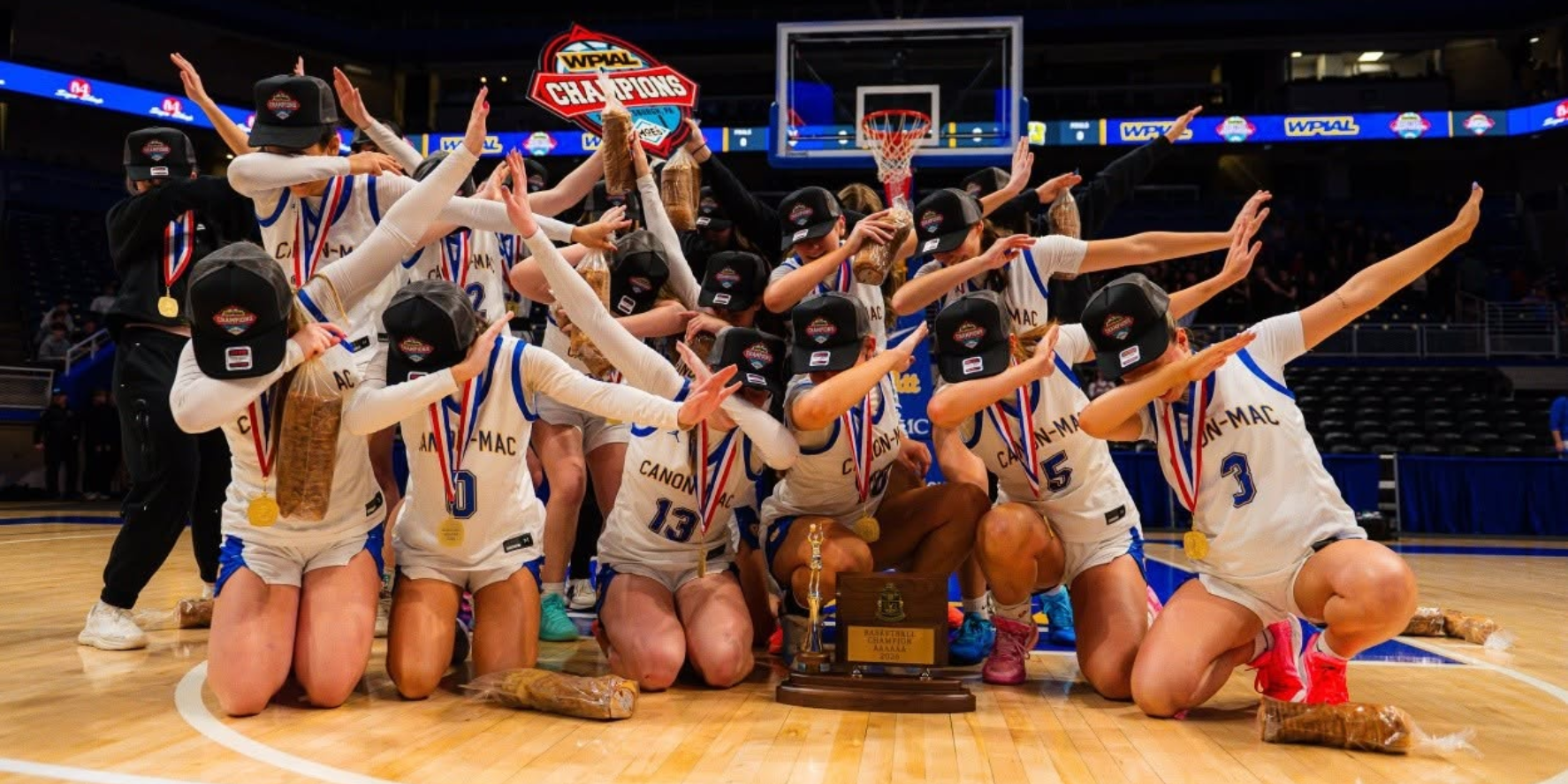
Picture day for a youth league or school program sounds like the easy part of the season. Show up, line the kids up, take the photos, done. In practice, it's one of the highest-stakes photography assignments a program runs all year, because these images outlast everything else. They go in the yearbook, on the wall, into frames that stay up for decades. Hiring the right league picture day photographer isn't an afterthought. And athlete portrait photography done with real care produces something entirely different from what most programs settle for. Here's what that difference looks like.
Why Picture Day Is More High-Stakes Than It Looks
Picture day for a youth league or school program isn't just a logistical box to check. These images go into yearbooks, onto school websites, into family albums, into senior recognition displays, and in some cases into recruitment packages that follow athletes for years. The investment in getting them right pays forward in ways that a single game's coverage simply doesn't.
Yet picture day is often treated as the lowest-priority photography assignment: booked late, rushed through, and handed to whoever is available. The results reflect that directly — flat lighting, mismatched uniforms, photos that look identical year after year and never get framed.
A league picture day photographer who takes the assignment seriously brings real planning to it: structured shot lists, lighting suited to the location, a flow that moves athletes through without making families stand around for an hour, and individual attention that makes the subjects actually look like athletes.
What Separates a Great Picture Day From a Rushed One
The difference between picture day that produces images families want and picture day that produces images nobody uses comes down to a few consistent factors.
Time allocation is the most controllable. A 15-player team pushed through 45 minutes leaves barely two minutes per athlete for individual portraits. That's not enough time to adjust positioning, check for uniform issues, get a natural expression, and capture both a posed and a more candid frame. An hour and a half for the same roster creates room to actually work.
Light quality is the second major factor. Harsh midday sun produces unflattering shadows on faces, washed-out uniforms, and squinting subjects. Early morning or late afternoon light, or a shaded location with open sky fill, produces consistently better portraits. For indoor sports, controlled artificial lighting beats relying on whatever the gym's overhead fixtures provide.
The photographer's pace and presence matter too. A picture day that feels organized and low-pressure produces better expressions than one that feels chaotic. Athletes who know what to expect — where to stand, what to do with their hands — look markedly more natural in the final images.
The Right Setup: Light, Location, and Logistics
Outdoor sessions: schedule in the first two hours after sunrise or in the two hours before sunset for the best natural light
Indoor sessions: use a portable strobe or speedlight kit rather than relying on gym overheads, which produce uneven, unflattering light
Background selection: clean, uncluttered settings that keep visual attention on the subject
Consistent framing: establish a standard crop for individual portraits early and maintain it across all subjects so the images match in yearbook or team display formats
Equipment confirmed before the session: uniforms, helmets, bats or sticks as needed, and any team-specific items
Individual Portraits vs. Team Photos: Two Different Challenges
These two components of picture day share the same session but are fundamentally different assignments.
Individual portraits require attention to each athlete as a subject. Posture, expression, lighting position, and framing all need to be assessed and adjusted per person. The goal is an image that looks like that specific athlete, not a generic sports portrait.
Team photos require organizational competence above almost everything else. Getting 15 to 40 athletes arranged cleanly, in a logical visual hierarchy, with consistent expressions and no one blinking or looking away, is a logistical exercise. Having a clear shot list and a second person helping with organization on the ground makes a substantial difference.
The best league picture day photographer understands both skill sets and brings them separately to each component. Using the same approach for individual portraits and team photos produces mediocre results for both.
How Programs Can Prepare Their Athletes for Better Results
Send uniform reminders to families at least one week before picture day
Brief athletes and coaches on the schedule and flow before the session begins
Have a roster count confirmed in advance so the photographer can plan timing accurately
Designate a waiting area away from the shooting area to reduce noise and distraction
For outdoor sessions, have a rain date confirmed before picture day arrives
Frequently Asked Questions
How long does a league picture day photographer typically need per team?
A well-organized session for a 15-player roster, covering individual portraits and team photos, typically runs 60 to 90 minutes. Larger rosters or programs including JV and varsity separately should plan for two to three hours. A clear shot list and organized flow reduces time without reducing quality.
Should picture day be held before or during the season?
Pre-season sessions have the advantage of clean, unscratched uniforms and less scheduling pressure. Mid-season sessions capture the team dynamic that develops over weeks together, which often produces more natural group images. Many programs run team structure photos pre-season and individual portraits mid-season for the best of both.
Can a league picture day photographer also cover game action?
Yes, and there are real advantages to using the same photographer for both. A photographer who already knows the players and coaches from picture day brings existing rapport into game coverage, which improves access and often produces better candid images than a stranger showing up at game time.
What is the turnaround time for picture day images?
At Photo Dad Sports Photography, portrait and team images are typically delivered within seven to ten business days. Rush options are available for programs with tight yearbook or senior night deadlines. Turnaround expectations should always be confirmed in writing before the session date.
Picture Day Is Worth Treating Like the Real Assignment It Is
For the families in Canonsburg, North Strabane, Cecil Township, and across Washington County, the photos from picture day are often the only professional images they'll have of their athlete from that season. The right league picture day photographer understands that and prepares accordingly. At Photo Dad Sports Photography, we bring the same attention to these sessions that we bring to game day coverage — because that's what the families on the other end of these images deserve.