What Makes a Great High School Sports Photographer (And Why School Sports Photography Is Worth Doing Right)
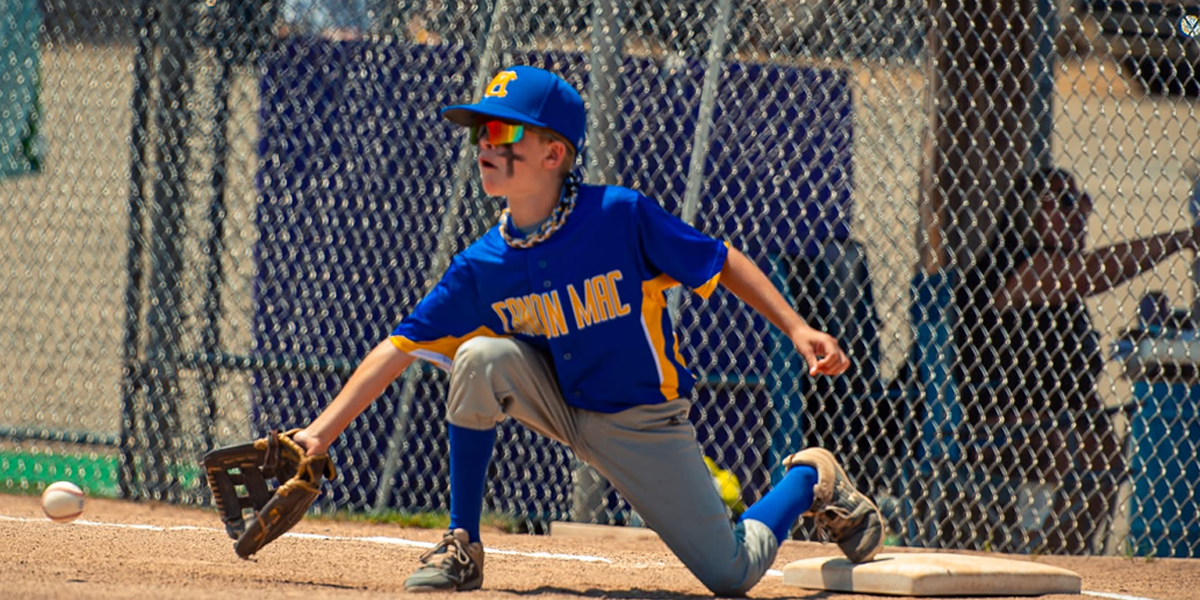
School sports programs run on a calendar that doesn't stop. Fall football and soccer roll straight into winter basketball and wrestling, then spring brings baseball, softball, and track. A high school sports photographer who can keep pace with that calendar, and deliver consistent results across every sport on it, is genuinely hard to find. Good school sports photography isn't a side hustle. It's a discipline that requires real range. Here's what separates the photographers worth hiring from the ones who just show up with a camera.
Why High School Programs Need More Than a Hobbyist
There's no shortage of people willing to show up to a game with a camera. There's a much shorter list of people who understand how to consistently deliver usable, sharp, well-composed images across a full athletic calendar, season after season.
School sports photography carries real responsibility. These images end up in yearbooks, on athletic department websites, in local newspaper coverage, and increasingly in recruitment materials that follow athletes into their college search. A photographer who treats the work casually puts all of that downstream value at risk.
The photographers who do this well tend to have one thing in common: they understand the sport they're shooting, not just the camera settings required to shoot it. Knowing when a fast break is developing, when a pitcher is about to deal a full count, when a wrestler is setting up a takedown, that knowledge is what turns a technically fine photo into a genuinely compelling one.
The Range a Multi-Sport Season Actually Requires
A high school sports photographer covering a full athletic department needs comfort across wildly different technical conditions. Football demands long glass and low-light competence under stadium lights. Wrestling happens in tight gym spaces with harsh overhead lighting and almost no room to move. Track and field spans an entire facility and multiple simultaneous events. Swimming requires entirely different equipment considerations around humidity and reflection.
Few photographers walk into this work already fluent in all of it. The ones who get there put in the seasons. A photographer who's shot a full football season, a full basketball season, and a full baseball season has built a different kind of expertise than someone who's only ever shot one sport well.
• Outdoor fall sports: football, soccer, cross country
• Indoor winter sports: basketball, wrestling, swimming
• Spring outdoor sports: baseball, softball, track and field, lacrosse
Each category has its own light, pace, and risk of missed moments. A photographer confident across all three is rare, and worth prioritizing.
What Athletic Departments Should Look For
• A portfolio that spans multiple sports, not just one or two highlight shots per category
• A clear process for delivering images that schools can use for publications without extra licensing hurdles
• Turnaround time fast enough to support active social media posting
• Reliability with scheduling, communication, and showing up prepared for unusual game times
• A track record of working well with coaches, not just shooting from a distance
Athletic directors managing a dozen or more programs need a photographer who reduces their workload, not one who adds another thing to manage. The photographers who understand that distinction tend to keep their school relationships for years.
Yearbooks, Websites, and Social: Where the Photos Actually Go
It's worth thinking about school sports photography in terms of its actual destinations, because each one has different requirements.
Yearbook submissions typically need high-resolution files in specific formats with adequate lead time before publishing deadlines. Website and social media use rewards speed, schools want to post a gallery from Friday's game before Saturday morning if possible. Local newspaper or recruiting submissions often require quick turnaround on a small number of standout images rather than a full gallery.
A photographer who understands these different endpoints structures their workflow to serve all three without making the school choose between speed and quality.
Building Trust With Coaches and Athletic Directors
The best working relationships between schools and photographers develop over multiple seasons. Coaches learn to trust a photographer's judgment about sideline positioning. Athletic directors stop needing to explain delivery expectations every time, because the photographer already knows. That trust translates into better access, smoother scheduling, and ultimately better images.
Photographers who treat each season as a one-off transaction rarely build that depth of relationship. The ones who show up consistently, communicate clearly, and deliver what they promise tend to become the de facto photographer for a program without ever formally pitching for the role.
Frequently Asked Questions
What should a school expect to pay for a season of sports photography coverage?
Pricing varies based on the number of sports and events covered, but full-season arrangements for a single sport often run several hundred dollars, while comprehensive multi-sport coverage across a school year is typically negotiated as a custom package. Schools should request a clear breakdown of what events and deliverables are included before committing.
How quickly should school sports photography be delivered after a game?
For active social media use, 24 to 48 hours is a reasonable expectation for a curated gallery. Yearbook and print submissions typically have more flexible timelines tied to publication deadlines rather than game dates.
Does a high school sports photographer need experience in every sport they shoot?
Direct experience with a given sport significantly improves results, since understanding the flow of play helps anticipate key moments. A photographer with strong general sports photography skills can adapt to new sports, but those with multi-sport experience typically deliver more consistent quality across an entire athletic calendar.
A Full Season Deserves Full Coverage
From the opening kickoff in August to the final out of the baseball season in late spring, school sports programs generate hundreds of moments worth preserving. The right photographer treats every one of those sports, not just the marquee ones, with the same level of care. That consistency is what separates real school sports photography from someone occasionally showing up with a camera.