Baseball Action Shots and Team Photography: What Separates the Good From the Unforgettable
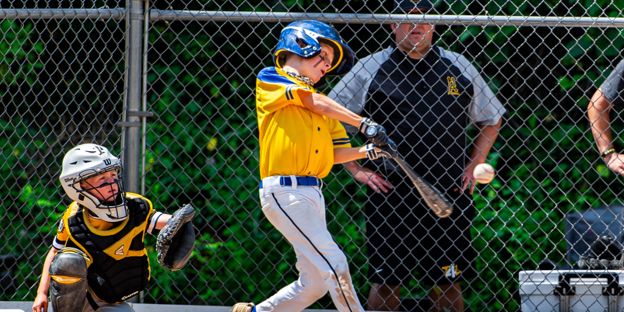
Baseball moves in bursts. Long stretches of quiet concentration broken by fractions of a second where everything happens at once. A first baseman stretching for a throw. A catcher blocking a ball in the dirt. A batter's follow-through captured mid-spin. The sport rewards photographers who understand the rhythm of the game, not just the mechanics of the camera. For families and leagues around the Pittsburgh area, quality baseball action shots are the visual record that every season deserves and rarely gets. Photo Dad Sports Photography, led by Sean Conner out of Canonsburg, PA, exists to change that.
Why Baseball Is One of the Most Challenging Sports to Photograph
Ask any sports photographer which sport keeps them on their toes, and baseball tends to come up quickly. The geometry of the field means the action can erupt anywhere within a large, open space. The pitcher's mound. Second base. Deep in the outfield gap. A photographer who is locked into one position will miss half the story.
There is also the light challenge. Most youth and high school games take place in late afternoon, when shadows cut across the infield in ways that can make or break an exposure. Professional photographers working baseball learn to read the sun position relative to the field orientation before the first pitch. It changes positioning choices completely.
Finally, the speed of the action demands a shutter speed of at least 1/1000th of a second for most plays, and 1/2000th or faster when trying to freeze a pitched ball or a swinging bat. That kind of setting requires both quality equipment and the experience to deploy it correctly in varying light conditions. A phone camera or a consumer-grade point-and-shoot simply cannot make these images.
What Makes a Baseball Action Shot Actually Work
A technically sharp image of a baseball play is the starting point, not the finish line. What separates a genuinely great action shot from a well-timed snapshot comes down to a few factors that experienced sports photographers internalize over many seasons:
• Peak action: The exact moment of maximum visual impact. The ball leaving the bat. The slide reaching the bag. The glove closing around a fly ball.
• Expression: Athletes in competition reveal something real. A face full of focus and determination is worth more than a technically perfect image of a neutral moment.
• Composition: Clean backgrounds, strategic framing, and a perspective that pulls the viewer into the moment rather than keeping them at a distance.
• Context: Great action shots communicate where the play happened in the game, not just that it happened. Position on the field, base runners, inning situations all add meaning.
Building that kind of image requires a photographer who watches the game, not just the viewfinder. Anticipation matters as much as reaction time.
Beyond Game Day: The Case for Intentional Baseball Team Photography
Baseball team photography has evolved significantly from the classic lineup-on-the-bleachers format. Modern families expect more from team photo day than a rigid grid of faces. They want images that communicate the team's identity: the culture of the program, the camaraderie between players, and the pride in what the group has built together.
When done well, a baseball team photography session produces:
• A high-quality team photo suitable for framing, display, and team memorabilia
• Individual portraits that reflect each player's personality and position
• Small group shots for infield, outfield, and pitching staff that programs and parents love
• Candid warm-up images that capture the authenticity of a team that actually plays together
The best baseball team photographs become artifacts that players carry with them long after the uniforms are retired. A well-framed team photo from a championship season has a staying power that game footage rarely matches.
What a Professional Baseball Team Photo Session Looks Like
A professional session involves more preparation than most coaches and athletic directors expect. The difference between a seamless shoot and a chaotic one comes down to planning:
• Pre-session communication establishes lineup order, uniform consistency, and timing expectations
• The photographer scouts the location in advance or arrives early to assess light and background options
• A structured flow keeps the roster moving efficiently without feeling rushed
• Individual athletes receive brief guidance before their portrait moment
• The full team photo is typically shot last, allowing for the most controlled conditions
Photo Dad Sports Photography has developed a workflow specifically for youth and high school baseball teams across the Pittsburgh area. That means fewer headaches for coaches, better results for families, and images that arrive within a timeline everyone can plan around.
The Gear Behind the Shot (And Why It Matters for You)
You do not need to understand camera specifications to benefit from knowing what quality gear produces. Professional sports photographers working baseball typically use telephoto lenses in the 300 to 400mm range with wide apertures around f/2.8. That combination delivers three things that matter directly to the quality of your images:
• Fast shutter speeds that freeze action without blur even in challenging light
• Subject isolation through shallow depth of field, where the player is sharp and the background is clean
• Reach across the full field without sacrificing resolution
Camera bodies with continuous autofocus and high burst rates ensure that the peak of the action is captured across a rapid sequence of frames. The best shot from a ten-frame burst is categorically different from the best single frame you can capture.
How to Prepare Your Team for a Great Photo Day
Coaches and team managers can significantly improve photo day results with a few practical steps:
• Ensure all players have clean, matching uniforms including hats and belts
• Communicate arrival time expectations so players are not rushing in late
• Brief players on the photo format so nobody is caught off guard by the process
• Assign a team manager to keep the roster moving in order
• Schedule photo day on a date that does not conflict with early-morning travel or the night after a particularly demanding game
The effort invested before the camera comes out pays off enormously in the final images. Consistent uniforms, relaxed players, and organized logistics are the raw ingredients a photographer works with.
Frequently Asked Questions
How do I get good baseball action shots if I am not using professional equipment?
For parents shooting from the stands, setting your camera or phone to burst mode, using sport or action mode if available, and positioning yourself along the first or third base lines typically yields better results than shooting from behind the plate. That said, professional photographers using proper telephoto glass and sports-tuned camera bodies will consistently outperform what consumer equipment can achieve.
How far in advance should I book baseball team photography for a youth league?
Booking 4 to 6 weeks before your intended photo date is a reasonable benchmark, especially in spring when multiple leagues are scheduling simultaneously. Leaving it to 1 to 2 weeks out risks date conflicts, particularly with traveling leagues.
What backgrounds work best for baseball team photos?
An outfield or dugout backdrop that contextualizes the team within their playing environment tends to produce the most memorable team photos. Clean, uncluttered natural backgrounds at the field beat generic indoor backdrops for most baseball teams. That said, weather and timing sometimes make a studio-style setup the practical choice.
Can individual baseball action photos be used for college recruiting?
Absolutely. Many high school athletes include action images in their recruiting profiles and athletic resumes. A well-composed image of an athlete at their defensive position or at bat communicates presence, form, and athletic confidence in a way that statistics alone cannot.
How many images does a team typically receive from a baseball photography session?
A professionally conducted session generally delivers a final edited gallery of 50 to 150 images depending on roster size and session scope. Raw file counts during the shoot are much higher. The editing process selects and refines the strongest frames from the day.
Baseball is America's pastime, and the Pittsburgh area takes that seriously. From the sandlots in Canonsburg to the high school programs across Washington County, the games being played here matter to the families watching them. Sean Conner at Photo Dad Sports Photography brings the technical skill, local knowledge, and genuine investment in youth athletics that produces baseball photography worth holding onto. These are the images that end up on mantels, in scrapbooks, and in the back of minds long after the seasons have passed.