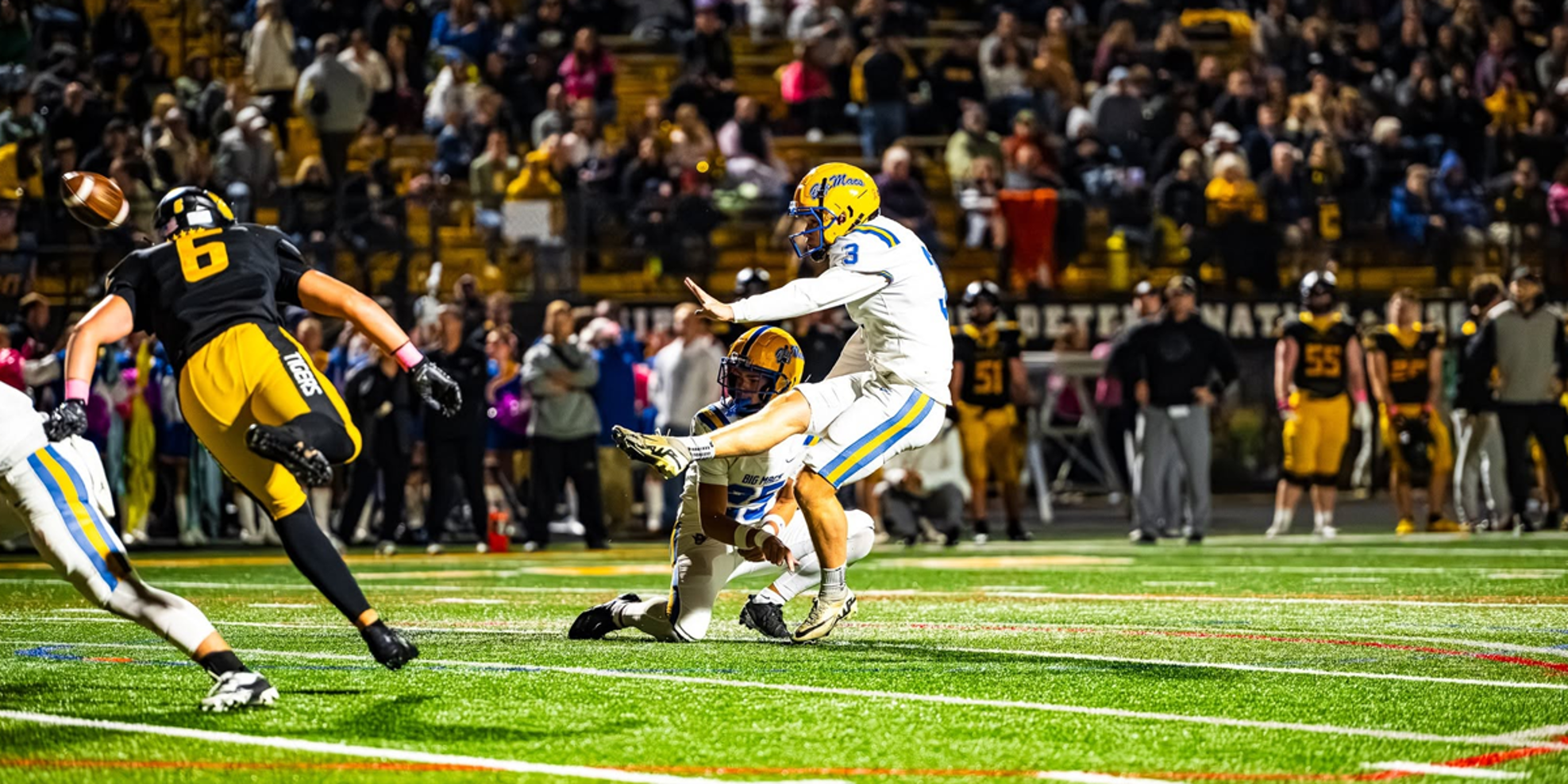
Pittsburgh takes its high school sports seriously. The Friday night football crowds in the WPIAL, the competitive volleyball programs across Allegheny County, the hockey culture running through the South Hills and Washington County communities. These games matter to the people playing them, coaching them, and watching from the stands. The photography covering them should match that standard.
Quality game day action shots in Pittsburgh, PA don't happen by accident. They are the product of preparation, positioning, and equipment suited to the conditions. The photographer needs to understand the sport well enough to be in the right place before the play develops.
Why Most Game Day Galleries Disappoint
The most common failure in sports photography isn't equipment. It's positioning.
Photographers who plant themselves in one location produce galleries weighted toward whatever quarter of the field they happened to be near. The other 75 percent of the game goes undocumented. Families of athletes on the far side of the field end up with a gallery full of other people's highlights.
The second failure is timing. Reacting to action after it happens produces images of celebrations and aftermath rather than peak-action frames. Anticipating where the next meaningful play will develop is a skill that comes only from genuine familiarity with the sport being covered.
Wrong position plus late timing produces galleries that are technically acceptable and emotionally empty.
The Technical Floor for Usable Action Shots
Every sport has minimum technical requirements a photographer needs to meet before positioning and game knowledge can do their work.
Shutter speed is the most fundamental variable. Freezing a running back cutting to the outside requires a minimum of 1/1000th of a second. Catching a hockey player mid-stride demands 1/1600th or faster. Working below these thresholds produces motion blur that no editing can correct.
Lens reach determines what plays are photographable from a given position. Covering the far side of a football field requires at least 300mm of focal length. Working with shorter glass forces a photographer to stay closer to the play, reducing their ability to cover the full game.
Low-light capability matters enormously for Pittsburgh-area high school sports. Evening football, indoor volleyball gyms, and hockey rinks all present challenging light. Camera bodies that produce clean images at ISO 6400 and above are not optional for consistent season coverage.
What a High School Sports Photographer Needs to Bring
A skilled high school sports photographer working across Pittsburgh deals with a wide range of conditions across a single season. Outdoor Friday night football in October. Indoor basketball gyms with inconsistent overhead lighting in January. Baseball and softball in the variable spring weather of western Pennsylvania.
Consistency across those conditions requires both equipment range and adaptability. Photographers who excel in one environment and struggle in others produce uneven coverage that serves some families well and others poorly.
The best photographers working Pittsburgh's high school circuit develop venue-specific knowledge over multiple seasons. They know which gyms lose light by halftime and which stadiums have sightline limitations from standard sideline positions. That institutional knowledge produces better game day action shots in Pittsburgh, PA than any amount of gear can substitute for.
Delivery Speed Is Part of the Product
High school sports move fast. A Friday night game that generated genuine excitement should have a gallery available for sharing by Saturday afternoon. Coaches want footage for film review. Athletic departments need content for social media. Families want to send images to relatives while the win is still fresh.
Delivery timeline is part of what programs are hiring for. Photographers who produce excellent images but deliver them four days later are providing a diminished product regardless of image quality.
Frequently Asked Questions
What sports do Pittsburgh-area high school sports photographers typically cover?
Coverage typically includes football, volleyball, soccer, basketball, baseball, softball, swimming, wrestling, hockey, and track and field. Photographers offering multi-sport coverage are generally more useful for school programs managing a full athletic calendar than single-sport specialists.
What is the best position for game day action shots at a football game?
The end zone behind the offense produces the most cinematic results for passing plays. Mid-field sideline coverage serves run plays and special teams. Moving between positions at natural breaks in play, rather than staying fixed throughout, produces galleries that tell the full story of a game.
How quickly should game day photos be delivered?
Within 24 to 48 hours for a curated game gallery is a reasonable standard for high school sports coverage. Programs with active social media accounts or next-day publication deadlines should confirm turnaround expectations in writing before the season begins.
Does a high school sports photographer need sideline credentials?
WPIAL and PIAA events have specific credentialing requirements that vary by venue and event classification. Photographers working with contracted school programs are typically included in the school's media access arrangements. Independent photographers should contact the athletic director at least two weeks before an event to confirm requirements.
What makes Pittsburgh-area high school sports photography different from other markets?
The depth of local athletic culture creates a more knowledgeable audience. Pittsburgh-area families and coaches notice when photography falls short. The competition between programs across the WPIAL also means game coverage carries genuine stakes, which rewards photographers who bring real preparation rather than casual attention.
Coverage That Keeps Up With the Game
Pittsburgh high school athletics deserves photography that reflects the quality of the sports themselves. Photographers who know their sport, plan their positioning, and deliver results while the season is in motion produce galleries that families return to long after the scoreboard has been reset.
Pittsburgh-area programs and families looking for a high school sports photographer who brings genuine game knowledge to every assignment are welcome to reach out to Sean Conner. The conversation about coverage is always worth having before the season gets away.